
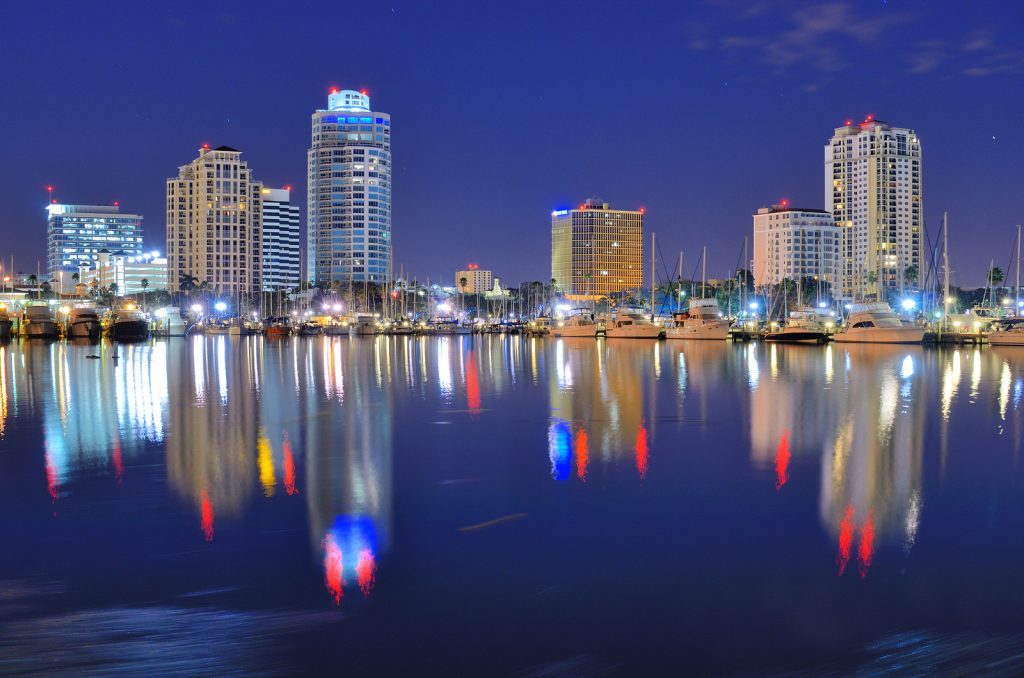
Why Winter Energy Efficiency Matters in Tampa Bay
When most businesses think of energy efficiency, they focus on summer cooling costs — especially in a hot, humid region like Tampa Bay. But even in the winter months, commercial properties face energy challenges and look to cut operational costs. Mild though Florida winters may be, the temperature swings between cool mornings and warmer afternoons can strain HVAC systems, especially in large buildings like retail plazas, industrial facilities, and office parks.
For property managers, developers, and industrial operators, understanding how building materials impact energy efficiency can lead to significant cost savings year-round. Aluminum roofing and siding systems provide a compelling solution: lightweight, durable, reflective, and designed to maximize energy efficiency in every season.
1. The Tampa Bay Winter Climate and Commercial Energy Use
Florida winters are relatively mild compared to northern states, but they still pose challenges for large-scale buildings:
- Temperature swings: Winter mornings can be in the 50s°F, with afternoons warming to the 70s°F. This variance causes HVAC systems to work harder.
- Humidity: High winter humidity increases energy use for dehumidification, particularly in enclosed spaces like warehouses or office buildings.
- Solar gain: Even winter sun can penetrate poorly insulated structures, heating certain areas unevenly and forcing cooling systems to compensate.
Businesses that ignore winter energy efficiency risk higher operational costs and unnecessary wear on HVAC equipment. That’s where aluminum structures offer measurable benefits.
2. How Aluminum Roofing Enhances Energy Efficiency
Aluminum’s properties make it a powerful energy-saving tool for commercial buildings:
Reflective Surface
- Aluminum reflects a significant portion of solar radiation, preventing excess heat absorption even during sunny winter days.
- Reduced heat gain means less energy is required for cooling, even when temperatures fluctuate.
Thermal Conductivity
- Aluminum is highly conductive, but modern roofing systems incorporate insulated panels and thermal breaks that regulate heat transfer.
- This reduces the load on HVAC systems and maintains more stable interior temperatures.
Longevity and Performance
- Aluminum roofs maintain their reflective coatings over decades, unlike asphalt or painted materials that degrade.
- Long-term efficiency is sustained, providing ongoing cost savings.
For manufacturing facilities and industrial parks, this translates into reduced energy bills and more predictable operating costs, essential for budget planning.
3. The Role of Aluminum Siding in Winter Energy Savings
While roofing handles heat and UV exposure from above, siding impacts envelope performance and insulation:
- Insulated Aluminum Panels: Provide a thermal barrier, reducing heat transfer through walls.
- Moisture Management: Prevents condensation and mold, which can increase HVAC workload.
- Air Tightness: Properly sealed aluminum siding reduces drafts, keeping conditioned air inside.
Property managers and HOAs benefit by maintaining comfortable indoor climates while minimizing complaints and utility spikes during the cooler months.
4. Reduced HVAC Strain and Operational Costs
Winter energy efficiency is not just about comfort — it affects your bottom line:
- Lower Energy Bills
- Aluminum’s reflective and insulated properties reduce heating and cooling loads.
- Commercial HVAC systems run fewer hours, saving kilowatt-hours and lowering peak demand charges.
- Extended Equipment Lifespan
- Reduced strain on HVAC systems leads to fewer breakdowns and maintenance calls.
- This is especially critical for industrial and warehouse facilities operating heavy machinery that must remain in temperature-controlled environments.
- Improved Occupant Comfort
- Stable indoor temperatures improve productivity in office spaces and customer experience in retail centers.
- Stable indoor temperatures improve productivity in office spaces and customer experience in retail centers.
Winter months are an excellent time to assess building envelope performance, as it’s easier to spot drafts, insulation gaps, and thermal bridging issues.
5. Aluminum and Sustainability in Winter
Energy efficiency is closely tied to sustainability:
- Lower energy consumption reduces greenhouse gas emissions.
- Recyclable material: Aluminum is 100% recyclable, aligning with corporate ESG initiatives.
- Long lifespan: Reduces material replacement needs and associated embodied energy.
Commercial real estate developers increasingly prioritize sustainable materials. Installing aluminum roofing and siding positions your property as eco-friendly, helping attract tenants and meet regulatory standards.
6. Industry-Specific Benefits for Tampa Bay Businesses
Aluminum’s energy efficiency advantages apply across multiple sectors:
Property Management Companies
- Lower winter utility costs for tenant spaces.
- Reduced maintenance complaints.
- Energy-efficient upgrades can be highlighted in lease agreements.
General Contractors
- Faster installation of energy-efficient panels saves labor hours.
- Reliable performance reduces callbacks during post-construction warranty periods.
Retail Plazas
- Stable indoor climates enhance customer comfort.
- Reduced operating costs improve net operating income for property owners.
Manufacturing and Industrial Facilities
- Protect equipment from temperature fluctuations.
- Maintain consistent processes without energy spikes.
- Improve compliance with temperature-sensitive storage requirements.
HOAs and Condo Associations
- Energy-efficient aluminum panels reduce collective utility costs.
- Improves resident satisfaction and building value.
Commercial Real Estate Developers
- Energy-efficient buildings are more marketable.
- Reduced operational costs attract premium tenants and increase ROI.
7. Winter as an Ideal Time for Energy Efficiency Upgrades
Even in mild Tampa Bay winters, businesses can take advantage of seasonal timing:
- Lower contractor demand means faster project schedules.
- Reduced interference with operations, as winter is often a slower period for retail and manufacturing.
- Inspection opportunities: HVAC systems can be tested in cooler weather to identify inefficiencies before spring demand spikes.
This makes winter the perfect time to install aluminum roofing and siding, assess energy performance, and implement upgrades with minimal disruption.
8. Aluminum Roof Types That Boost Efficiency
Not all aluminum roofs are created equal. The following types deliver strong winter performance:
Standing Seam Aluminum Roofs
- Minimal seams reduce air infiltration.
- Hidden fasteners prevent leaks.
- Compatible with reflective coatings to reduce heat gain.
Insulated Aluminum Panels
- Combine structural integrity with built-in insulation.
- Improve R-value and prevent thermal bridging.
- Ideal for warehouses, office buildings, and industrial complexes.
Retrofit Aluminum Systems
- Installed over existing roofing, reducing waste and installation time.
- Preserve energy efficiency while minimizing disruption.
9. Siding Solutions for Maximum Thermal Performance
Aluminum siding also contributes to energy savings:
- Interlocking panels prevent air leaks.
- Integrated insulation stabilizes interior temperatures.
- Low-maintenance finishes preserve reflectivity and durability.
For HOAs, condo complexes, and retail plazas, siding is a critical part of a total building envelope strategy, enhancing both aesthetics and efficiency.
10. Cost Savings Beyond Energy Bills
Investing in aluminum structures impacts more than energy usage:
- Maintenance Reduction: Minimal repairs required for rust or storm damage.
- Insurance Benefits: Durable, storm-resistant systems can lower premiums.
- Tenant Retention: Comfortable interiors and visually appealing buildings attract and retain tenants.
Over decades, the ROI from energy savings, reduced maintenance, and improved asset value can be substantial.
11. Integrating Energy Efficiency into Facility Management
Winter energy efficiency requires a holistic approach:
- Conduct a Thermal Audit
- Identify areas where heat loss or gain is excessive.
- Upgrade the Building Envelope
- Aluminum roofing and siding can correct insulation gaps.
- Optimize HVAC Operations
- Align system use with temperature swings and occupancy schedules.
- Monitor and Maintain
- Inspect roofs and siding for loose panels, worn seals, or debris that could affect energy performance.
- Inspect roofs and siding for loose panels, worn seals, or debris that could affect energy performance.
Property managers and industrial operators who follow these steps often see 10–20% reductions in winter energy consumption.
12. Sustainability and Branding Advantages
Energy-efficient aluminum installations are not just functional — they enhance brand perception:
- Developers and property managers can market energy-efficient buildings as premium spaces.
- Retail centers can advertise environmentally responsible practices.
- Industrial facilities benefit from corporate sustainability reporting.
These advantages often translate into higher property valuation and tenant loyalty, particularly in Tampa Bay’s competitive commercial real estate market.
13. Planning Your Winter Energy Efficiency Upgrade
Businesses looking to capitalize on winter efficiency improvements should follow a strategic approach:
- Schedule a Consultation
- Evaluate current roofing and siding conditions.
- Identify Efficiency Goals
- Focus on energy reduction, maintenance savings, and storm resilience.
- Select Aluminum Systems
- Choose standing seam, insulated panels, or siding options suited to your property and industry.
- Coordinate Installation
- Align with operational schedules to minimize disruption.
- Inspect and Monitor
- Ensure the system performs optimally through seasonal changes.
- Ensure the system performs optimally through seasonal changes.
Winter’s mild weather, lower contractor demand, and reduced operational interference make it the ideal season to implement these improvements.
Aluminum Structures — Energy Efficiency Year-Round
Even in Tampa Bay’s mild winter, energy efficiency matters. Aluminum roofing and siding provide a durable, low-maintenance, and sustainable solution that reduces operational costs, protects your building, and enhances tenant or occupant comfort.
From property management firms and retail plazas to industrial facilities, HOAs, and developers, every commercial sector benefits from aluminum’s combination of performance, longevity, and energy efficiency.
Ready to Cut Energy Costs This Winter?
If your business is looking to improve winter energy efficiency, reduce operational costs, and protect your property, now is the perfect time to act.
Schedule a consultation with ASC Aluminum to explore energy-efficient aluminum roofing and siding solutions tailored to your Tampa Bay commercial property.